
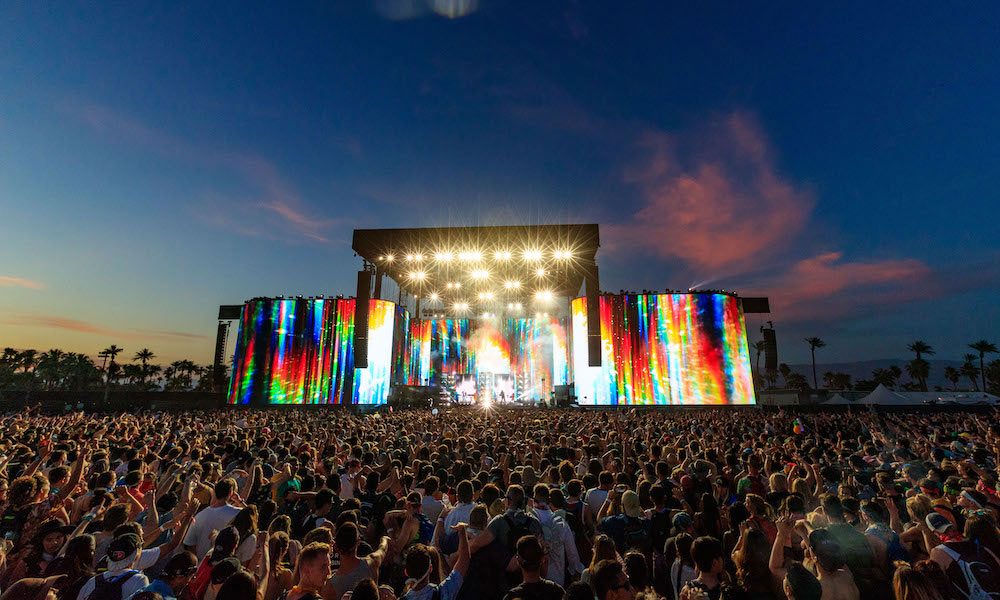

Hosting a live music concert in your own backyard is an ambitious yet deeply rewarding project. It transforms a standard social gathering into an immersive cultural experience that brings friends, family, and neighbors together. Unlike a formal venue event, a backyard concert carries an air of intimacy and exclusivity that creates memories far more potent than any club show or stadium gig. However, the difference between a chaotic noise complaint and a sophisticated garden festival lies entirely in the planning. Orchestrating a successful event requires a careful balance of logistical precision, neighborly diplomacy, and artistic vision.
Establishing the Scope and Concept
Before you buy a single string of lights or contact a musician, you must define the parameters of your concert. A backyard concert is not a one-size-fits-all event. Start by determining the scale of your gathering. Are you hosting a small acoustic set for twenty close friends, or are you planning a larger block-party style event with a full band and food trucks?
Your scope will dictate your budget and your physical needs. A larger crowd requires portable restrooms, professional lighting, and possibly local permits. A smaller gathering can remain casual and low-key. Regardless of size, choose a musical theme that fits your space. A folk duo fits a lush garden setting, while a rock or jazz ensemble might better suit a paved patio or deck. Once the theme is set, the rest of your decisions regarding decor, food, and layout will align naturally.
Navigating Legalities and Neighbor Relations
The most common reason backyard concerts fail is conflict with neighbors. Before you finalize the date, you must prioritize communication. Start by consulting your local noise ordinances. Most municipalities have strict rules regarding sound amplification and cut-off times, often requiring music to end by 9:00 PM or 10:00 PM on weeknights and slightly later on weekends.
Do not wait for a formal complaint to arise. A week before the concert, walk around your neighborhood and speak to your immediate neighbors. Inform them of your plans, provide them with your phone number, and offer them an open invitation to attend. This simple gesture of courtesy transforms neighbors from potential adversaries into stakeholders in your success. If you are planning a significant event with amplified sound, consider applying for any necessary neighborhood party permits well in advance to avoid being shut down by local authorities.
Technical Logistics and Sound Management
The quality of the sound is the difference between an amateur hobbyist event and a professional-grade concert. If you are hiring musicians, they will typically bring their own sound equipment, but you must be prepared to host them.
-
Power Supply: Map out your electrical outlets. Never run extension cords across walking paths, as they pose a significant tripping hazard. Use heavy-duty, outdoor-rated cords and consider renting a portable generator if you are worried about overloading your home circuits.
-
The Stage Area: Even a makeshift stage provides the musicians with a clear focal point and improves sound dispersion. A slightly elevated platform, such as a sturdy deck or a flat area of patio, works best. Ensure it is covered or shielded from direct sun if the concert begins in the afternoon.
-
Acoustics and Volume Control: If you do not have a professional sound engineer, ask the musicians to do a thorough sound check before guests arrive. Test the volume from the property line to ensure it is respectful to neighbors.
Creating the Atmosphere and Comfort
Your backyard should feel like a dedicated concert venue rather than a living room moved outside. Lighting is the most important tool in your kit for building atmosphere. As the sun sets, string lights, solar-powered lanterns, and LED tea lights create a warm, festival-like glow.
-
Seating Arrangements: Provide a variety of seating options. Use picnic blankets and floor pillows near the stage for a relaxed vibe, and provide folding chairs or lawn furniture for those who prefer back support.
-
Weather Readiness: Always have a backup plan. Renting a pop-up canopy or a large tent provides shade during the day and protection from unexpected light rain. Ensure you have fans or portable misters if the weather is forecast to be particularly hot.
-
Clear Signage and Traffic Flow: If you have a large backyard, guide your guests with subtle signage. Mark the path to the entrance, the seating area, the bar, and the restrooms to prevent congestion.
Curating Food and Refreshments
A backyard concert is a social event, and food is essential to keep the energy up. Since you will likely be focused on the music, choose a menu that minimizes active cooking during the performance.
-
Self-Serve Stations: Set up self-serve beverage stations filled with ice, water, sodas, and pre-batched cocktails. This prevents guests from crowding the kitchen or the performer area.
-
Finger Foods: Opt for easy-to-eat items that don’t require cutlery. Tacos, sliders, gourmet pizzas, or charcuterie boards allow guests to eat while mingling or watching the show.
-
Staggered Service: If you are providing a full meal, serve it either before the music starts or during a set break to ensure that the food service does not distract from the performance.
Managing the Event Timeline
Structure is vital to maintaining guest engagement. A concert that drags on for four hours with no breaks will eventually lose its audience. Break the performance into two or three segments of 45 to 60 minutes each, with clear breaks in between.
During the intermission, increase the volume of background music, encourage people to refresh their drinks, and facilitate social interaction. This natural ebb and flow keeps the audience fresh and excited for the next set. Always conclude the concert with a final encore, and have a clear plan for post-concert wind-down to signal to guests that the event is ending. A prompt cleanup and a courteous goodnight to neighbors will ensure that you are welcomed to host again in the future.
Frequently Asked Questions
What should we do if the weather forecast predicts heavy rain?
If heavy rain is expected, it is best to reschedule the event rather than attempting to force an outdoor concert under poor conditions. If you have an indoor space available, you can pivot to an indoor-outdoor hybrid, but safety must always come first, especially regarding electrical equipment and wet ground.
How do we handle tips for the performers?
It is a thoughtful gesture to set up a tip jar or provide a digital payment QR code for the musicians. Explicitly encourage guests to support the artists throughout the night. If the band has merchandise for sale, dedicate a small table near the entrance for them to display their items.
Is it necessary to hire professional lighting for a backyard concert?
It is not strictly necessary, but it makes a significant difference. You can achieve a professional look using string lights, clamp lights, and color-changing LED bars that sync with the mood of the music. The goal is to avoid harsh, static overhead lighting.
How many guests can reasonably fit in an average backyard?
A good rule of thumb is to allow for about 10 to 12 square feet per person for comfortable standing or seating room. Calculate your available lawn space accordingly and be mindful of the physical footprint of the musicians and their gear.
Should we create a specific guest list or keep it open?
For safety and sound control, a managed guest list is always preferred. Using digital invitation platforms allows you to track RSVPs, communicate logistics, and manage the flow of attendees effectively, which is important for maintaining good relations with your neighbors.
What is the best way to handle parking in a residential area?
If you expect a large number of guests, communicate parking expectations clearly in your invitation. Suggest rideshare options, encourage carpooling, or arrange for off-site parking if your neighborhood has limited street space. Informing neighbors about potential parking influx is another step in maintaining goodwill.

Comments are closed.