
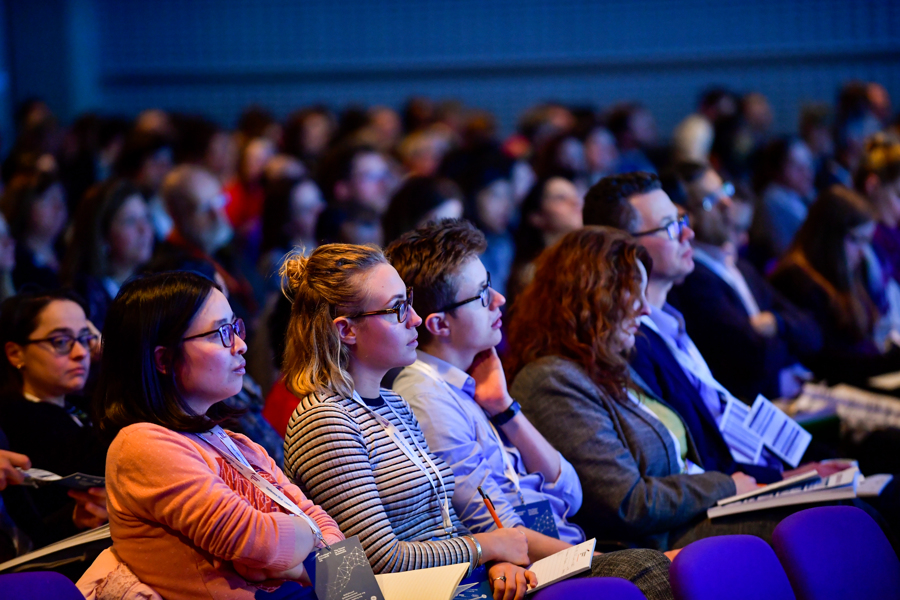

Long conferences and multi-day events often sound great on paper, promising deep dives into industry trends, networking opportunities, and comprehensive skill-building. However, reality sets in quickly. By day two, afternoon fatigue takes over, the dreaded convention center air conditioning chills the room, and attendees begin checking their smartphones with alarming frequency. Maintaining audience attention for six to eight hours a day is one of the hardest challenges event organizers face. When the schedule stretches out, passive listening simply stops working. To combat fatigue and deliver genuine value, organizers must intentionally design experiences that keep participants active, connected, and mentally stimulated throughout the entire program.
The Root Causes of Event Fatigue
Before implementing engagement strategies, organizers must understand why audiences lose focus in the first place. Sitting in a dark auditorium for hours while someone reads slides creates a cognitive bottleneck. Human brains are simply not wired to absorb complex information passively for extended periods. When presentations lack interaction, physical movement, or variety, attention spans drop sharply within the first twenty minutes. Sensory overload also plays a major role; large crowds, loud audio systems, and constant networking drain social energy fast. Recognizing these natural human limits is the first step toward building a dynamic event agenda that actively fights burnout.
Rethink the Traditional Schedule
The standard conference format—four consecutive 60-minute lectures separated by a brief coffee break—is an outdated relic that practically guarantees attendee disengagement. Modern event design requires a radical restructuring of time.
-
Implement Micro-Breaks: Instead of packing hours of content into massive blocks, break sessions into digestible 20-to-30-minute segments followed by brief processing periods.
-
Vary Session Formats: Alternate between keynote speeches, lightning talks, interactive workshops, and open panel discussions to keep the mental environment fresh.
-
Schedule Extended Midday Windows: Give participants a true mental break by offering a 90-minute lunch window that allows them to step outside, check work emails, or decompress in quiet zones.
-
Build White Space: Avoid back-to-back scheduling by leaving empty gaps on the agenda where attendees can process what they just learned or connect organically.
Transform Passive Listeners Into Active Participants
The best way to keep an audience engaged is to stop treating them like a crowd and start treating them as collaborators. When attendees have a stake in the session, their minds remain sharp.
Leverage Real-Time Polling and Q and A Platforms
Digital tools allow every single person in a room to ask questions and vote on topics without waiting in a microphone line. Use live polling at the start of a session to gauge audience opinion on key issues or test their baseline knowledge. This immediately hooks their attention because they want to see how their individual answers compare to the wider room.
Design Hands-On Challenges
Move away from theoretical lectures by introducing micro-challenges during sessions. Give table groups a specific problem to solve within five minutes, utilizing the exact framework the speaker just introduced. This shifts the energy of the room from a quiet, sleepy lecture hall to a buzzing workshop environment.
Encourage Peer-to-Peer Learning
Introduce structured pairing exercises, such as turning to a neighbor and summarizing a key takeaway within ninety seconds. These quick micro-conversations break the monotony of listening and help reinforce memory retention through verbal repetition.
Optimize the Physical Environment and Sensory Experience
An attendee’s physical comfort directly dictates their mental capacity. If a room is too hot, too cold, or poorly lit, no amount of compelling content will save the presentation.
-
Manage Room Temperature and Lighting: Keep meeting spaces slightly cool to combat afternoon drowsiness, and ensure that stage and room lighting adjust dynamically to match the mood of the presentation.
-
Incorporate Movement Breaks: Lead the room in a quick two-minute stretch or ask everyone to stand up and switch seats halfway through a long workshop to get blood flowing.
-
Provide Hydration and Brain Food: Swap out heavy pastries and sugary sodas for fresh fruit, nuts, tea, and constant access to cold water to prevent sugar crashes.
-
Designate Quiet Zones: Create designated low-sensory rooms where introverted attendees or those feeling overwhelmed can step away for ten minutes of complete silence without missing critical programming.
Leverage Technology Beyond the Slides
Technology can either distract an audience or anchor them to the event experience. When used intentionally, event apps and digital platforms bridge the gap between physical sessions and digital interaction.
-
Gamification: Create leaderboards tied to event app engagement, rewarding attendees who visit sponsor booths, attend sessions on time, and participate in surveys.
-
Curated Digital Note-Taking: Provide digital workbooks that sync with presentation slides, allowing attendees to highlight text and save notes directly to their cloud storage.
-
Dedicated Social Channels: Establish a vibrant event hashtag or community board where attendees can share photos, live quotes from speakers, and networking requests.
Frequently Asked Questions
What is the ideal length for a keynote presentation at a long conference?
Keynote presentations should ideally last between 30 and 45 minutes. This timeframe provides enough room for a speaker to deliver a compelling narrative and actionable insights without triggering cognitive overload or audience restlessness.
How can organizers handle attendees who experience severe afternoon fatigue?
Organizers can combat the afternoon slump by scheduling high-energy, interactive activities immediately after lunch, such as gamified networking sessions, physical movement breaks, or rapid-fire lightning talks rather than dense academic presentations.
What are some effective ways to engage introverted participants during large events?
Introverted attendees often feel drained by constant loud networking. Organizers can support them by providing quiet reflection areas, offering digital Q and A submission options that bypass public microphone anxiety, and organizing structured small-group activities with clear prompts.
How often should physical breaks be scheduled during an all-day conference?
As a general rule, organizers should provide a 15-to-20-minute break every 90 minutes. This gives participants enough time to stretch, use the restroom, grab a beverage, and mentally reset before the next block of content.
Can gamification sometimes backfire at professional events?
Yes, gamification can backfire if the point system feels forced, overly complicated, or detached from genuine learning outcomes. Attendees may feel manipulated into performing superficial actions just to win a prize, which can breed cynicism rather than engagement.
What is the most effective way to collect honest feedback on long event schedules?
Instead of waiting for a lengthy end-of-event survey that people rush through or ignore, organizers should deploy quick, single-question pulse surveys via the event app at the conclusion of each individual session to capture real-time sentiments.

Comments are closed.