
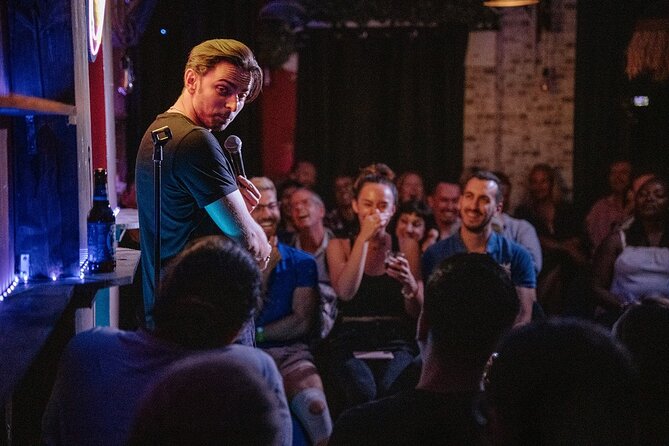

Stand-up comedy has always operated in historical cycles of boom and bust. The massive comedy explosion of the nineteen eighties saw brick and mortar clubs opening in strip malls across America, only to be followed by a sharp industry contraction in the late nineties when market saturation and declining quality drove audiences away. For a long time, the path to mainstream success was incredibly narrow, heavily guarded by late-night television bookers, talent agents, and network executives. Today, however, the landscape is entirely unrecognizable. Live stand-up comedy is not just surviving; it is experiencing a monumental global renaissance. Comedy clubs are selling out months in advance, independent comedians are booking massive arena tours without traditional studio backing, and the cultural appetite for live, spoken-word performance is at an unprecedented high. This resurgence is not a random cultural accident. It is the direct result of decentralized digital marketing, a desperate societal craving for authentic communal experiences, and the evolution of the modern comedian into an independent media powerhouse.
The Decentralization of Talent Discovery
In previous decades, a comedian had to perform for years in obscurity, hoping that an influential talent scout would happen to be in the audience on a good night. Today, the internet has completely eliminated the middleman, democratizing the discovery process for both artists and fans. Short-form video platforms have become the most powerful marketing tools in the history of live entertainment.
Comedians are no longer waiting for network television to give them a five-minute slot. Instead, they are filming their live sets, editing them into highly engaging one-minute clips, and distributing them directly to millions of viewers on a daily basis.
-
The Power of Crowd Work: Many comedians specifically post videos of unscripted crowd work to digital platforms. This strategy allows them to showcase their quick wit and stage presence without burning their meticulously crafted written jokes.
-
Algorithmic Reach: Social media algorithms prioritize high-retention content. Because comedy relies on the natural tension and release of a punchline, well-edited stand-up clips naturally keep viewers engaged until the end of the video, leading to massive viral reach.
-
Global Audience Building: A comedian based in New York can build a dedicated fan base in Texas, London, or Australia simply by posting consistently. When they finally go on tour, they are not relying on local promoters to sell tickets; they are selling directly to their digital followers.
The Antidote to Digital Isolation
While the internet is driving ticket sales, the actual experience of attending a live comedy show provides something the internet cannot replicate. Modern society is increasingly isolated. We consume most of our media alone on our smartphones or on the couch. This digital isolation has created a profound cultural deficit of shared physical experiences. Live stand-up comedy perfectly fills this void.
Laughter is fundamentally a social behavior. Psychologists have long noted that people are exponentially more likely to laugh out loud when they are surrounded by other people than when they are alone. When an audience packs into a dark, intimate comedy club, they form a temporary community. The collective energy of a room breathing, listening, and erupting in laughter simultaneously is a deeply cathartic human experience. In a world dominated by asynchronous communication and remote work, audiences are willing to pay a premium to feel connected to a room full of strangers.
A Safe Haven for Unfiltered Commentary
Another major driver of the comedy renaissance is the current socio-cultural climate. Public discourse has become highly polarized, carefully curated, and endlessly scrutinized. Corporate public relations, brand sponsorships, and social media posturing have made everyday communication feel overly sanitized and rigidly policed.
Stand-up comedy remains one of the last bastions of raw, unfiltered thought. The stage is a designated zone for boundary-pushing and taboo-breaking. Audiences flock to comedy clubs because they want to hear artists articulate the uncomfortable, absurd, or politically incorrect thoughts that ordinary people feel they cannot say out loud in their workplaces or on their social media profiles.
Stand-up comedy acts as a societal pressure valve. When a comedian successfully navigates a sensitive topic and turns it into a brilliant punchline, the resulting laughter is not just amusement; it is a collective release of tension.
The Podcasting Pipeline and Parasocial Relationships
The relationship between audiences and comedians has transformed fundamentally due to the rise of comedy podcasting. Ten years ago, an audience only knew a comedian based on their polished, highly rehearsed stage persona. Today, millions of fans listen to comedians talk for hours every week on long-form audio podcasts.
-
Deepening Fan Loyalty: Podcasting builds strong parasocial relationships. Listeners feel like they intimately know the comedian, understanding their background, their neuroses, and their authentic personality.
-
Contextualizing the Art: When fans listen to a podcast, they often hear the early genesis of a premise that will eventually become a stage joke. This behind-the-scenes access makes the fan feel involved in the creative process.
-
Guaranteed Ticket Sales: By the time a podcast host announces a live tour, their listeners are highly motivated to buy tickets. They are not just paying to see a comedy show; they are paying to spend an evening in the physical presence of someone they consider a digital friend.
The Independent Production Ecosystem
The financial structure of the comedy industry has shifted dramatically in favor of the artist. In the past, comedians relied heavily on major cable networks or streaming giants to fund, produce, and distribute their one-hour specials. While those platforms remain relevant, a massive wave of comedians is now choosing total independence.
Artists are self-funding their comedy specials and releasing them directly to the public via independent video platforms for free. They monetize the content through ad revenue, direct fan support platforms, and, most importantly, by using the free special as an advertisement for their live tours. This direct-to-consumer model means comedians have absolute creative control. They do not have to soften their material to appease corporate advertisers or network executives. This artistic freedom has resulted in a flood of high-quality, diverse, and innovative comedy that caters to every conceivable demographic, proving that the live stand-up renaissance is built on an unshakeable foundation of creative independence.
Frequently Asked Questions
How long does a typical live stand-up comedy show last?
A standard live comedy showcase usually runs between ninety minutes and two hours. This typically includes a host who warms up the crowd for ten to fifteen minutes, one or two feature acts who perform for twenty minutes each, and a headliner who closes the show with a forty-five to sixty-minute set.
What is the difference between an open mic night and a curated showcase?
An open mic is a practice space where anyone, from absolute beginners to touring professionals, can sign up to perform for a few minutes to test brand new material. A curated showcase features a predetermined lineup of experienced, booked comedians who are performing polished, tested material for a paying audience.
How do comedy clubs enforce the no-phone policy during major shows?
To prevent the unauthorized recording of unreleased material and to keep audiences present, many clubs and large venues now require guests to place their cell phones and smartwatches in locked, secure pouches upon entry. The pouches remain in the possession of the guest but can only be electronically unlocked by staff members in designated lobby areas.
Why do comedians often perform multiple shows in one night?
Comedy is an art form built entirely on repetition and immediate crowd feedback. Performing two or three sets in a single night allows a comedian to take a joke that failed at seven o’clock, tweak the wording or the timing, and test the new version on a fresh audience at nine o’clock.
Is it necessary to sit in the front row at a comedy club?
No, sitting in the front row is not necessary to enjoy a show, though it does increase the likelihood of the comedian interacting with you during the performance. Many veteran comedy fans actually prefer sitting in the middle or back of the room to take in the atmosphere without becoming part of the act.
How do touring comedians test their new material before recording a special?
Comedians develop an hour of material through a grueling process of trial and error. They start by dropping new concepts into their sets at small, local clubs. Over the course of a year or more on the road, they refine the wording, trim the unnecessary filler, and perfect the timing before eventually filming the finalized hour in a theater.
What role does a host or emcee play in a live comedy lineup?
The host is the most vital structural element of a live comedy show. Their job is not just to tell jokes, but to establish the rules of the room, gauge the energy level of the audience, deal with any early disruptions, and create a warm, receptive environment for the feature acts and the headliner to succeed.

Comments are closed.