
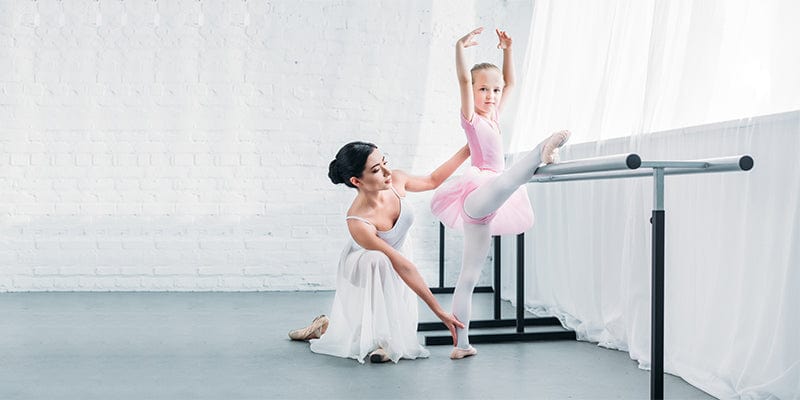

Dance is often taught through the lens of strict discipline, structured choreography, and relentless repetition. From a very young age, aspiring dancers spend hours standing at the barre, drilling ballet positions, memorizing contemporary combinations, or locking down precise hip-hop counts. This technical rigor is entirely necessary; it builds the strength, flexibility, coordination, and muscle memory required to execute complex movements safely and aesthetically. Yet, technical mastery alone does not make an artist. When the music stops, a costume rips, a partner misses a cue, or an audition panel asks a dancer to throw out the prepared routine and move on the spot, rigid technique hits a wall. This is where improvisation steps in. Far from being a casual warm-up exercise or a fallback activity for lazy days, improvisation is the most vital skill a dancer can cultivate. It transforms a physical technician into a compelling storyteller and unlocks a deeper level of artistic freedom.
Breaking Free From Mechanical Execution
The primary danger of relying solely on choreographed routines is the risk of turning dance into a purely mechanical exercise. Dancers can easily fall into the trap of executing steps with physical precision while completely detaching their minds and emotions from the movement. They hit every count, but the performance lacks soul, breath, and urgency.
Improvisation shatters this mechanical autopilot. When a dancer is forced to invent movement in real time, they cannot rely on muscle memory alone. They must listen to the music, tune into their physical sensations, and make split-second artistic choices. This constant state of mental alertness bridges the gap between body and mind. It teaches the dancer how to inhabit every single movement rather than just passing through it on the way to the next count. Over time, this heightened awareness bleeds back into technical choreography, making even the most rigid classical variations look organic, lived-in, and authentic.
Enhancing Musicality Beyond the Beats
Every dancer learns to count music, hitting the downbeat or syncopating a movement to match a snare drum. True musicality, however, goes far beyond mathematical timing. It involves interpreting the emotional landscape, texture, dynamics, and silent spaces within a piece of music.
-
Exploring Textures: Improvisation allows dancers to experiment with how different musical qualities—such as staccato strings, flowing piano chords, or heavy basslines—translate physically into contrasting textures like sharp isolation or sustained expansion.
-
Embracing Silence: Dancers who only move to choreography often panic during pauses or tempo changes in music. Improvisation teaches performers how to dance comfortably in silence, using breath and internal rhythm to sustain tension.
-
Dynamic Phrasing: Through spontaneous movement exploration, dancers discover natural acceleration and deceleration, learning how to let a movement swell and fade organically rather than forcing a uniform energy level.
Developing Adaptability and Stage Craft
Live performance is inherently unpredictable. Costumes malfunction, stage lights blind performers, props fail, and fellow dancers make mistakes. A dancer who has only practiced in a controlled studio environment under optimal conditions often freezes when the unexpected happens on stage.
Improvisation builds a mental safety net. It gives dancers the problem-solving tools they need to recover smoothly from a stumble, adjust spacing when a partner is out of position, or fill unexpected time if a track skips. Instead of looking panicked or breaking character, an improvisation-trained dancer treats the mistake as a natural variation of the performance, seamlessly weaving the correction into the choreography. This adaptability is precisely what separates professional artists from advanced students.
Igniting Authentic Artistic Voice
In a competitive industry filled with thousands of dancers possessing near-identical technical training, standing out requires a distinct personal voice. Copying a choreographer steps with perfection only makes a dancer a great instrument, not a unique artist.
Improvisation is the laboratory where a dancer discovers their individual movement vocabulary. By experimenting with weight distribution, floor work, spinal articulation, and unconventional pathways without the fear of doing a step wrong, performers uncover their unique physical quirks and strengths. They learn what feels authentic to their specific body type and movement philosophy. When choreographers or casting directors look for talent, they are rarely searching for a carbon copy of a teacher; they want to see an individual who brings something unmistakable and personal to the space.
Overcoming Performance Anxiety and Creative Blocks
Mental blocks are a universal hurdle for artists. The fear of forgetting choreography, looking foolish, or failing to meet expectations can create physical tension that locks up the body during performance. Improvisation acts as a powerful antidote to this anxiety by shifting the focus away from perfectionism and toward exploration.
When the goal of moving shifts from executing a flawless step to simply responding to an impulse, the pressure lifts. Dancers learn to embrace imperfection, viewing a clumsy transition or a failed balance not as a mistake, but as an interesting deviation that can lead to a brand new movement discovery. This fearless mindset spills over into choreographic retention, making dancers more resilient, confident, and mentally tough under the bright lights.
Frequently Asked Questions
Is improvisation only useful for contemporary and modern dancers?
Not at all. While contemporary and modern styles are famous for utilizing free movement, improvisation is equally transformative for ballet dancers, hip-hop artists, ballroom competitors, and jazz performers. It builds core physical responsiveness that enhances footwork, partnering, and spatial awareness across every genre.
How can a dancer who is used to strict choreography start improvising without feeling awkward?
The best way to start is through structured improvisation constraints rather than total open freedom. A dancer can set specific rules, such as moving only the upper body, traveling across the floor using three distinct speeds, or focusing entirely on initiating every movement from the hips. These parameters reduce overwhelm and spark creativity.
Can improvisation help improve a dancer technical skills?
Yes. Improvisation forces dancers to find efficient pathways between movements, use proper alignment to protect joints during unexpected transitions, and build functional strength. It teaches the body how to recover from off-center balances naturally, which directly improves turning and jumping stability.
Do professional dance auditions include improvisation rounds?
Many commercial, contemporary, and musical theater auditions feature freestyle or improvisational callbacks. Casting directors use these rounds to test how quickly a dancer can pick up direction, adapt to new styles, and show genuine personality under pressure.
How does daily improvisational practice affect choreography retention?
Dancers who practice improvisation often learn and retain choreography much faster. Because their brains are accustomed to analyzing and processing movement patterns on the fly, they can deconstruct a choreographer combination logically rather than just memorizing it through rote repetition.
Is it normal to feel self-conscious during early attempts at dance improvisation?
Feeling self-conscious is completely normal. The fear of judgment often inhibits the creative mind. Overcoming this requires creating a safe personal practice space, letting go of the internal critic, and realizing that improvisational movement is a personal conversation with the body rather than a performance meant for immediate validation.
Can improvisation be taught in a structured class environment?
Yes. Many dance instructors incorporate dedicated improvisation prompts, contact improvisation partner work, and creative composition exercises into their regular syllabi to help students develop autonomous artistic thinking alongside traditional technique.

Comments are closed.