
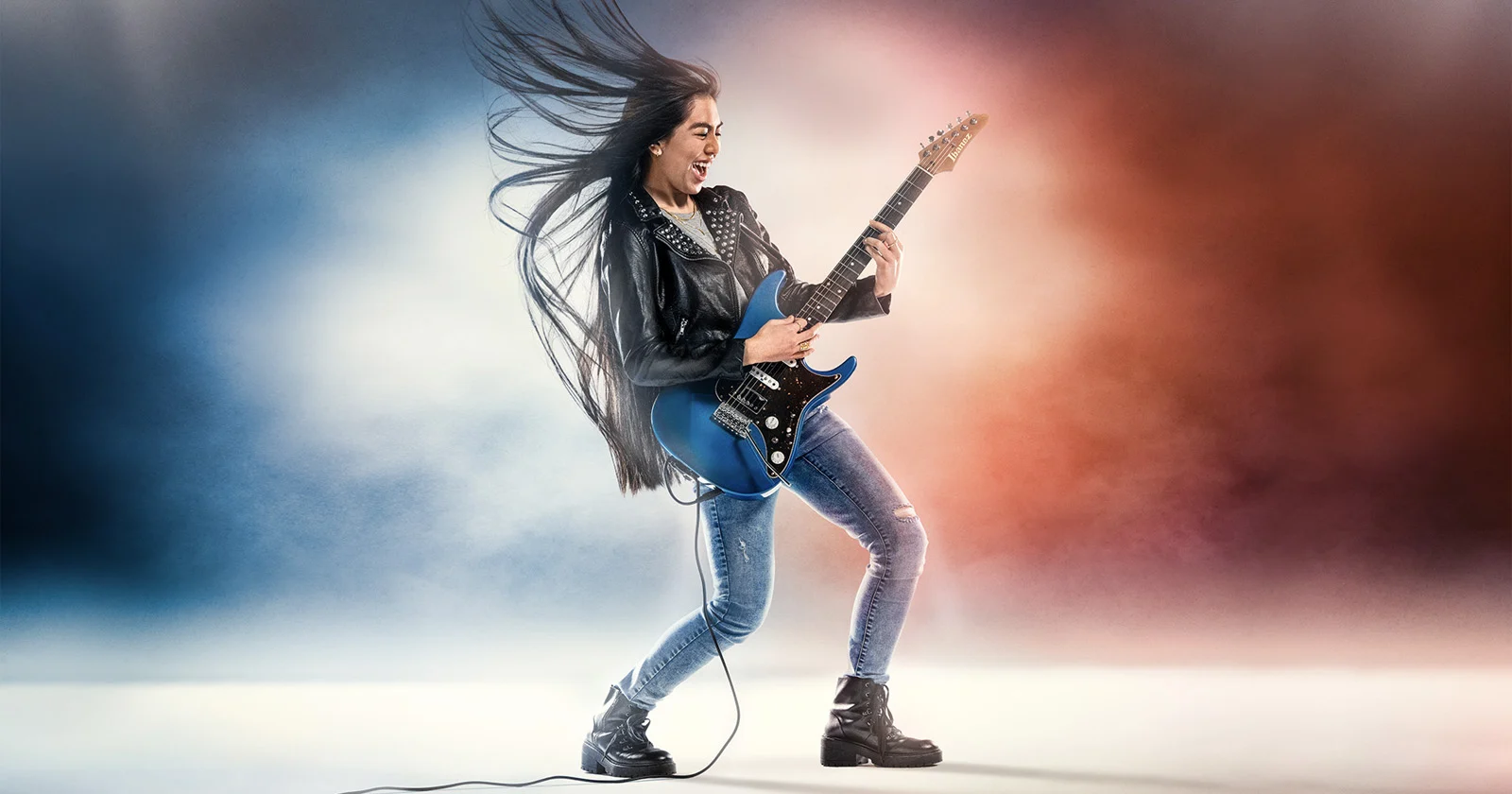

Music has always been a deeply emotional and cultural force, shaping generations through sound, storytelling, and shared human experience. But alongside the melodies, lyrics, and performances, there is another powerful medium that captures the soul of the music world: photography. Today, music photography stands as one of the most compelling forms of artistic expression, preserving the energy, creativity, and identity of musicians across eras.
As more collectors, fans, and creatives recognize the cultural value of these images, gallery music exhibits are becoming increasingly prominent. These curated showcases highlight the connection between sound and visuals, allowing audiences to experience music history in a new, immersive way.
Why Music Photography Is More Than Just a Visual Art
Music photography captures more than a pose, a performance, or a moment. It reveals the emotion behind the music—often telling stories that cannot be expressed through sound alone. From raw behind-the-scenes snapshots to dramatic onstage imagery, these photos document the lifestyle, attitude, and personality of artists.
Key reasons music photography is so influential:
- It immortalizes cultural movements.
- It reveals human moments behind the artistry.
- It captures fashion, identity, and era-defining aesthetics.
- It offers visual storytelling that complements musical expression.
- It allows fans to see the world through the artist’s perspective.
Because of these qualities, music photography holds a special place in museums, private collections, editorial work, and the broader artistic community.
The Rising Popularity of Gallery Music Exhibits
As music-driven visuals gain recognition as fine art, galleries around the world are showcasing curated collections dedicated to musicians, iconic eras, and influential moments in music history. These gallery music exhibits create immersive experiences that blend sound and imagery, giving viewers a deeper connection to the artists they love.
What makes these exhibits so impactful?
- They Create a Visual Timeline of Music History
Galleries often display the evolution of different eras—rock, jazz, hip-hop, pop, indie, and more—through portraits, concert photos, and candid moments.
- They Celebrate Cultural Icons
Many exhibits honor groundbreaking artists whose influence goes beyond their music. Their photos become symbols of entire generations.
- They Preserve Legacy and Inspire New Artists
By showcasing landmark images, galleries keep artistic innovation alive and inspire both musicians and photographers.
- They Offer an Immersive Experience
From large-format prints to multimedia installations, gallery exhibitions turn music photography into a sensory, emotional journey.
These events highlight photography not just as documentation but as a standalone artistic form.
How Music Photography Captures the Spirit of an Artist
The best music photography goes far beyond technical skill. It requires an intuitive understanding of an artist’s personality, creative energy, and public persona.
Here’s what distinguishes powerful music photography:
Authenticity
True emotional connection often shines through unguarded moments backstage, in the studio, or during quiet pre-show rituals.
Visual Identity
Many musicians rely on signature aesthetics—style, color palettes, mood, and expression—that photographers capture and elevate.
Performance Energy
Live music is full of movement, emotion, and spontaneity. Great photographers freeze these fleeting moments and transform them into art.
Narrative Depth
A single photo can tell a complete story about a musician’s journey, challenges, or triumphs.
This storytelling power is what makes music photography compelling enough to be featured in major gallery music showcases.
From Albums to Galleries: The Evolution of Music Imagery
Music and photography have always been intertwined. Album covers, magazine spreads, promotional materials, and tour posters rely on strong imagery to convey an artist’s message. But over time, these visuals have evolved from commercial tools into recognized fine art pieces.
Album Covers as Art
Some of the most memorable images in history began as album covers—visuals that shaped the identity of an entire album long before streaming existed.
Press Photos and Editorial Shoots
Editorial portraits reveal how artists present themselves to the world, balancing mystery, vulnerability, and artistic expression.
Candid and Documentary Photography
Behind-the-scenes images bring fans closer to the creative lifestyle, offering a rare glimpse into studio life or tour routines.
Concert Photography
These high-energy shots capture the essence of live performance—the lights, emotion, and unfiltered passion.
As the appreciation for these images grows, galleries continue to elevate music photography into celebrated cultural artifacts.
Why Fans and Collectors Value Music Photography
Collectors, fans, and art enthusiasts are increasingly drawn to music imagery because it holds emotional, nostalgic, and artistic value. Authentic prints or limited editions from influential photographers become highly prized collectibles.
Reasons collectors value these works:
- They represent moments that shaped music history.
- They capture the personality of legendary artists.
- They blend artistic and cultural significance.
- They evoke nostalgia and emotional connection.
Photos that hang in gallery music exhibits often gain recognition as rare or historically important pieces, making them meaningful additions to both personal and professional collections.
The Future of Music Photography
As technology evolves, so does the art form. Digital photography, high-speed cameras, and creative editing tools allow today’s photographers to push boundaries, capturing music in ways earlier generations could only imagine.
We’re also seeing:
- Increased demand for documentary-style imagery
- A resurgence of film photography for its emotional texture
- More cross-media collaborations between musicians and visual artists
- Expanded gallery showcases celebrating diverse artists and genres
Music photography’s future is bright, innovative, and deeply creative—continuing to shape how audiences experience the culture of sound.
At its core, music photography is the visual language of the music world. It captures the emotion, energy, and evolution of artists while preserving moments that define generations. Through thoughtfully curated gallery music exhibitions, these images gain new life—inviting viewers to rediscover the stories, atmosphere, and artistry behind their favorite musicians.
As music continues to evolve, photography will remain one of the most powerful ways to honor its legacy.

Comments are closed.