
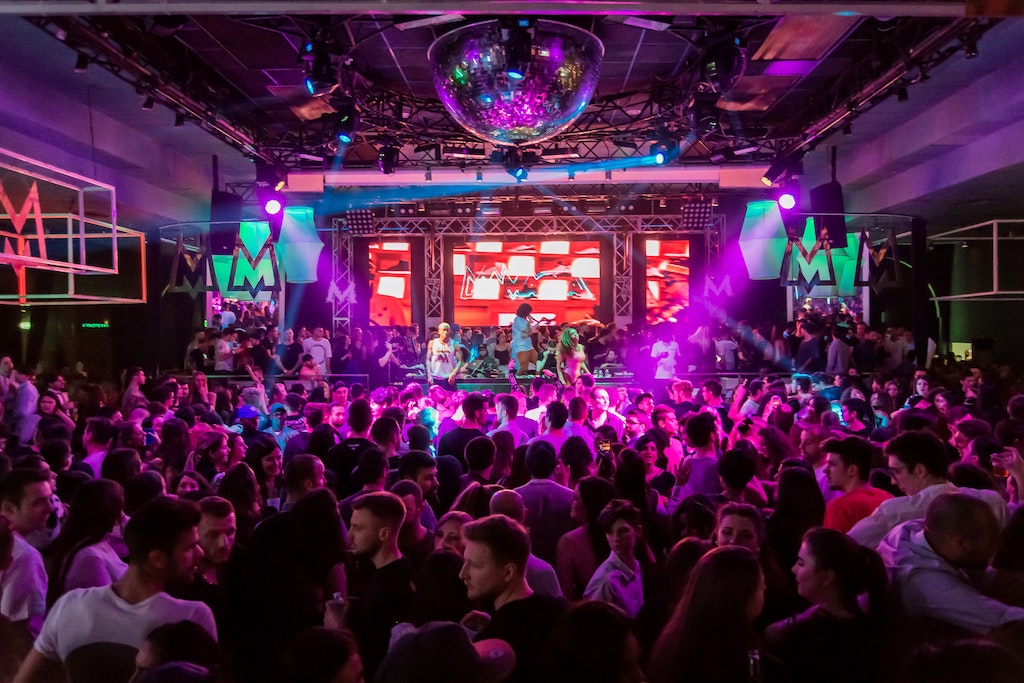

Nightclubs have a pull that goes beyond music and nightlife. They are immersive spaces where sound, light, movement, and emotion merge into a shared experience. From the moment the doors open to the final song of the night, nightclubs create an atmosphere that feels electric, liberating, and unforgettable.
The Atmosphere That Transforms Reality
A nightclub is designed to feel separate from everyday life. Dim lighting, pulsing colors, and enclosed spaces create a sense of escape.
Key atmospheric elements include:
- Low lighting that reduces self-consciousness
- Dynamic visuals that stimulate the senses
- Loud, enveloping sound that demands presence
Together, these elements shift focus away from the outside world and into the moment.
The Power of Music and Sound Design
Music is the heartbeat of every nightclub. Deep bass, repetitive rhythms, and carefully timed drops are crafted to move both body and emotion.
Why Club Music Feels So Intense
- Bass frequencies are felt physically, not just heard
- Repetition creates a hypnotic effect
- Gradual build-ups heighten anticipation
This sensory immersion explains why people often lose track of time on the dance floor.
DJs as Mood Architects
DJs do more than play songs—they shape the emotional journey of the night.
Their role includes:
- Reading crowd energy in real time
- Controlling tempo and intensity
- Creating smooth transitions that maintain flow
A skilled DJ can turn a room of strangers into a unified crowd moving to the same rhythm.
Lighting: The Silent Storyteller
Lighting defines how a nightclub feels moment by moment. It works in harmony with music to amplify emotion.
Common Lighting Effects
- Strobes for high-energy peaks
- Slow color fades for transitional moments
- Spotlights that highlight drops and climaxes
Lighting cues subconsciously guide how people move and react.
The Dance Floor Effect
The dance floor is the heart of the nightclub experience. It’s where personal boundaries fade and collective energy takes over.
Why dance floors feel freeing:
- Darkness reduces fear of judgment
- Movement releases stress and tension
- Shared rhythm builds social connection
This environment allows people to express themselves without words.
Fashion, Identity, and Self-Expression
Nightclubs encourage bold self-expression. Clothing, makeup, and style become part of the experience.
People often feel freer to:
- Experiment with identity
- Step outside everyday roles
- Express confidence through appearance
This freedom adds to the sense of transformation that defines nightlife culture.
The Social Chemistry of Nightclubs
Nightclubs bring together people from different backgrounds with a shared purpose—to enjoy the night.
Social magic happens because:
- Music creates instant common ground
- Movement lowers social barriers
- Shared highs strengthen fleeting connections
Even brief interactions can feel meaningful in this heightened environment.
Why Nightclubs Leave Lasting Impressions
Nightclub memories often stand out because they combine emotion, novelty, and social interaction.
People remember:
- A powerful song at the perfect moment
- The feeling of dancing without inhibition
- Unexpected connections made under flashing lights
These moments linger because they are emotionally charged and deeply sensory.
FAQs About Nightclubs and Nightlife Culture
1. Why do nightclubs feel more exciting at night?
Darkness heightens sensory awareness and reduces inhibitions, making experiences feel more intense.
2. Do you need to dance to enjoy a nightclub?
No. Many people enjoy the atmosphere, music, and social energy without dancing.
3. Why is bass such an important part of club music?
Low frequencies create a physical response that enhances emotional engagement and excitement.
4. How do nightclubs influence mood so quickly?
They combine music, lighting, and social energy to trigger immediate emotional responses.
5. Are nightclubs more about music or socializing?
They are a blend of both, where music facilitates social interaction and shared experience.
6. Why do people dress differently for nightclubs?
Nightclubs offer a space to express identity and confidence without everyday expectations.
7. What makes a nightclub truly memorable?
A balance of great music, crowd energy, atmosphere, and moments that feel spontaneous and alive.

Comments are closed.