
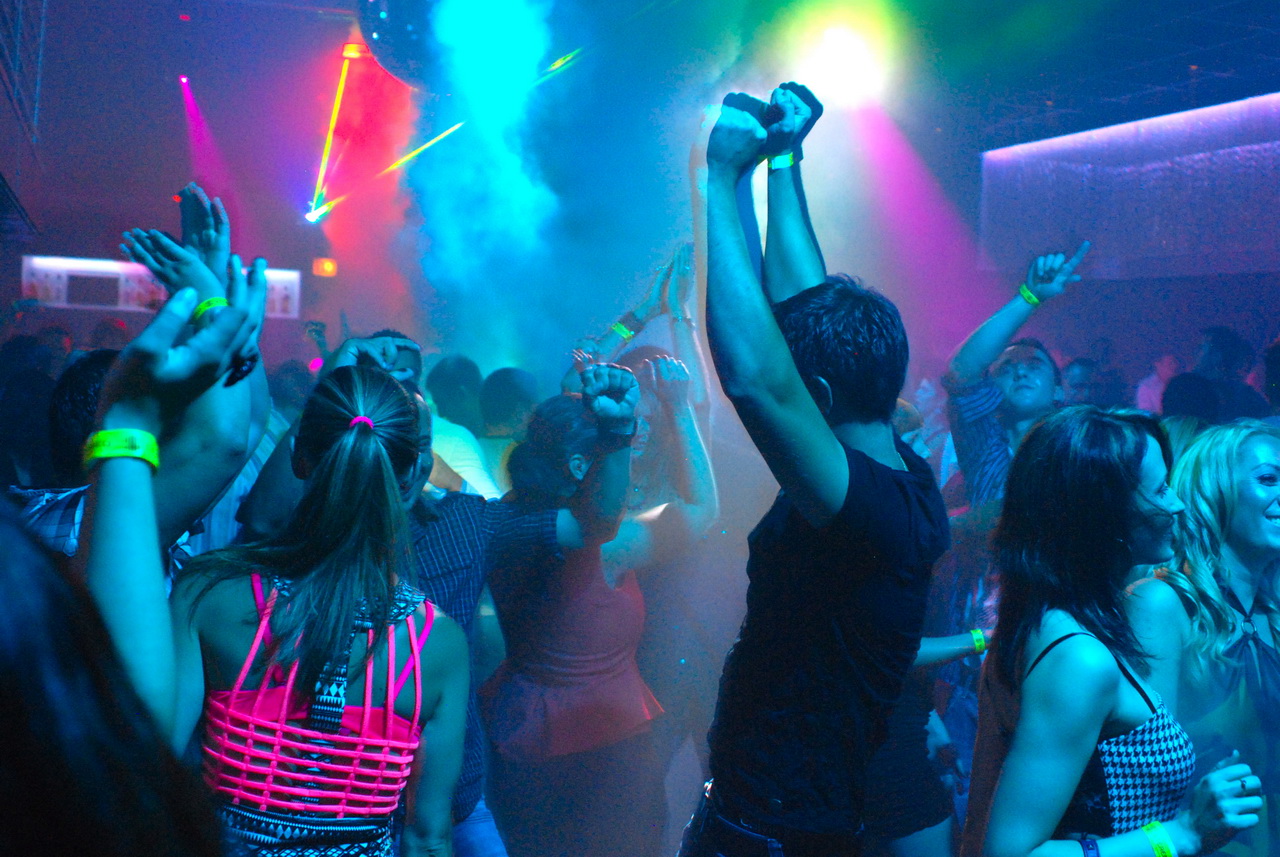

Social media has transformed how people discover, experience, and remember nightlife. What once lived only in memory now unfolds in real time across screens, reshaping expectations for parties and nightclubs worldwide. From promotion to participation, digital platforms now influence nearly every aspect of modern nightlife culture.
From Word of Mouth to Viral Moments
Before social media, nightlife buzz spread through personal recommendations. Today, visibility drives popularity.
Social media has changed promotion by:
- Turning events into shareable experiences
- Allowing clubs to reach audiences instantly
- Creating hype through short-form videos and stories
A single viral clip can elevate a party from local to must-attend overnight.
The Rise of the “Instagrammable” Night
Visual appeal now plays a central role in nightlife design. Clubs think beyond sound and space, designing moments meant to be captured.
Visual Trends Influenced by Social Media
- Neon signs and bold lighting
- Themed décor and immersive backdrops
- Dramatic DJ booth setups
A strong visual identity encourages guests to document and share their experience.
How Social Media Changes Guest Behavior
Phones on the dance floor are now part of the nightlife landscape. Guests often balance being present with capturing the moment.
This shift leads to:
- Increased awareness of appearance and setting
- Short bursts of filming between dancing
- A desire to be part of visible, exciting moments
For many, sharing becomes part of the enjoyment itself.
DJs and Performers in the Digital Spotlight
DJs are no longer just heard—they’re seen. Social media has expanded their role beyond the booth.
New Expectations for DJs
- Engaging with audiences online
- Creating visually dynamic performances
- Building personal brands alongside musical identity
A strong online presence can now shape bookings and reputation as much as live performance.
Community Building Beyond the Dance Floor
Social media extends nightlife culture past the event itself. Connections don’t end when the lights come up.
Online communities form through:
- Event pages and group chats
- Tagged photos and shared clips
- Comments and conversations after the night
These digital spaces deepen loyalty and anticipation for future events.
The Pressure to Perform Fun
While social media amplifies excitement, it also introduces pressure. Some guests feel the need to look like they’re having fun rather than simply enjoying themselves.
This can lead to:
- Comparing experiences with others online
- Prioritizing content over connection
- Shortened attention spans during events
The challenge is balancing documentation with genuine presence.
How Nightclubs Adapt to Digital Culture
Forward-thinking venues design experiences that work both offline and online.
Adaptations include:
- Dedicated photo-friendly areas
- Lighting optimized for phone cameras
- Encouraging—but not forcing—content creation
The best clubs create moments worth sharing without letting screens dominate the experience.
Authenticity in a Curated World
As nightlife becomes more visible, authenticity becomes more valuable. Guests increasingly seek experiences that feel real, not staged.
Clubs that succeed focus on:
- Genuine energy over forced trends
- Music-driven moments that feel organic
- Environments where people forget to film and just dance
True magic still happens when people live in the moment.
FAQs About Social Media and Nightlife Culture
1. Has social media made nightlife more popular?
Yes. It has expanded reach and visibility, attracting wider audiences to events.
2. Do phones ruin the party experience?
They can if overused, but when balanced, they help people capture memories.
3. Why do clubs focus so much on visuals now?
Strong visuals encourage sharing, which acts as free promotion.
4. Are DJs affected by social media expectations?
Yes. Many now balance musical skill with online engagement.
5. Does social media change how people dress for clubs?
Often yes, as guests consider how outfits appear on camera.
6. Can nightlife still feel authentic in a digital age?
Absolutely. Authentic energy remains the foundation of memorable nights.
7. What’s the future of nightlife and social media?
A blend of immersive real-world experiences enhanced—but not dominated—by digital sharing.

Comments are closed.