
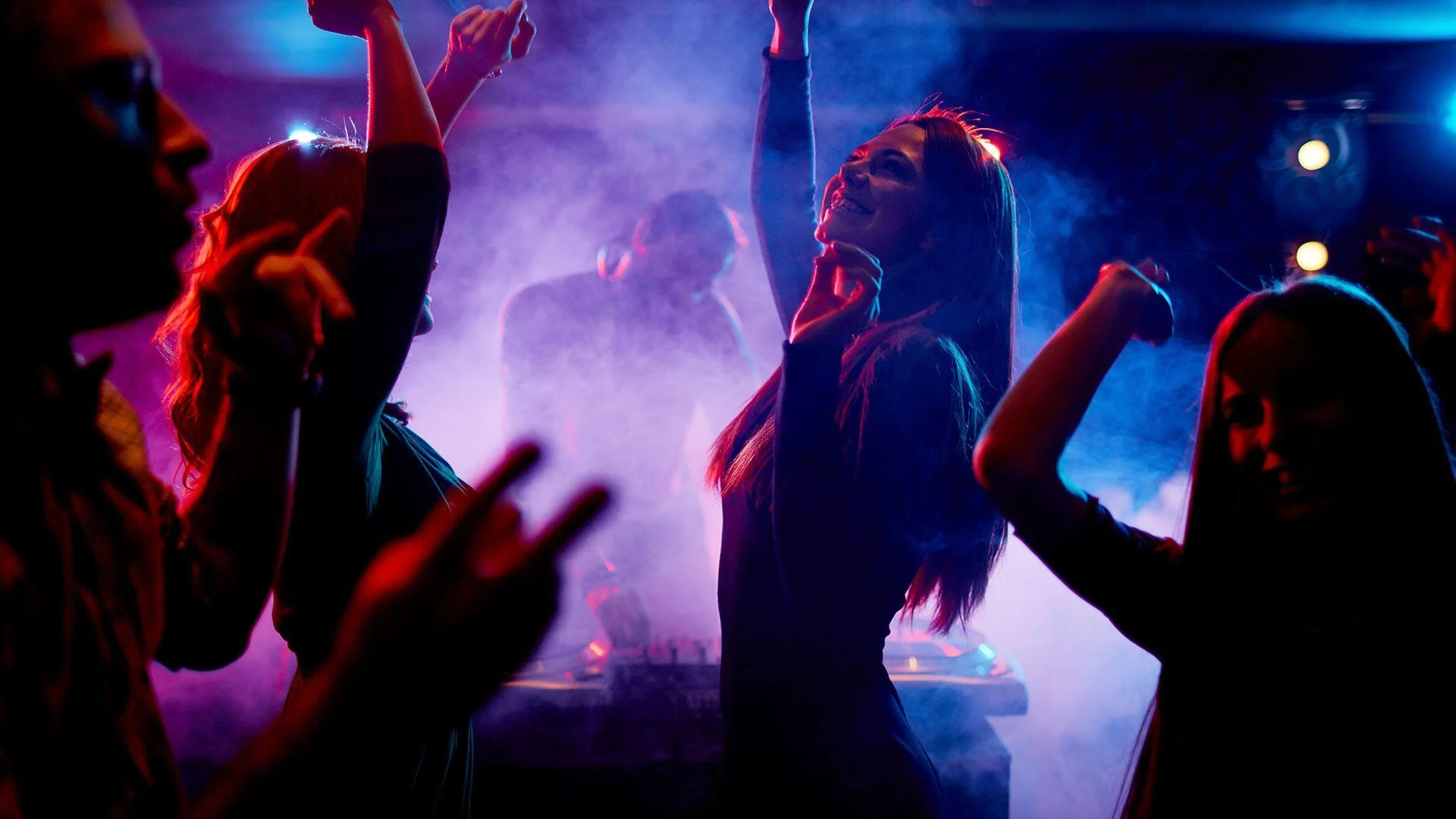

The modern nightclub is much more than a darkened room with loud speakers and flashing lights. It functions as a cultural sanctuary, a laboratory for radical social expression, and a powerful engine that drives contemporary fashion, music, and art. Long before electronic dance music filled massive festival grounds and celebrity DJs commanded seven-figure salaries, nightlife existed as an underground refuge where marginalized communities could find freedom, self-expression, and safety. From the clandestine jazz cellars of the roaring twenties and the rebellious counterculture discotheques of the seventies to the warehouse raves of the nineties and the hyper-curated VIP lounges of today, club culture has continuously reflected and shaped the broader sociopolitical landscape. Understanding the evolution of nightlife reveals how deeply dance floors have influenced the way the world dresses, listens, and socializes.
The Underground Roots and Jazz Age Rebellion
The foundational DNA of modern club culture was forged during eras of social prohibition and moral panic. In the nineteen twenties, American jazz clubs and speakeasies operated in defiance of federal liquor laws. These subterranean spaces broke rigid racial and class boundaries that defined polite society. White socialites, jazz musicians, bohemian artists, and working-class immigrants mingled in close quarters, drawn together by the syncopated rhythms of swing and ragtime.
This early integration laid the groundwork for nightlife as a space of rebellion. Decades later, the post-war cabaret scene in Paris and the underground beatnik coffeehouses of New York continued this tradition, fostering environments where conventional social rules were temporarily suspended. These venues proved that music and communal dancing possessed the power to challenge political authority and redefine cultural norms.
The Disco Revolution and the Birth of Modern DJing
If jazz created the underground spirit, disco gave birth to the modern nightclub blueprint. Emerging in the early nineteen seventies across underground New York venues, disco culture was pioneered primarily by gay, Black, and Latino communities who sought a joyful escape from mainstream oppression.
-
The Sanctuary Space: Iconic venues like the Loft and Studio 54 transformed the nightclub into a theatrical wonderland where lighting, sound design, and interior architecture merged into a single immersive experience.
-
The Rise of the Selector: Before disco, live bands dominated entertainment venues. Disco shifted the focus to the DJ, who curated a continuous, seamless sonic journey that manipulated the emotional arc of the room.
-
Inclusive Hedonism: Disco championed radical inclusivity, fashion experimentation, and body positivity, establishing the foundational aesthetic that would later define modern electronic dance music culture.
Even though a commercial backlash eventually triggered the manufactured death of disco, its ethos survived and mutated into house music in Chicago and techno in Detroit during the nineteen eighties, cementing the DJ as a modern cultural icon.
Shaping Fashion, Art, and Identity
Nightclub culture has always functioned as a premier runway for avant-garde fashion and radical identity expression. Because clubs operate outside the surveillance of traditional corporate and domestic life, attendees use the dance floor as a canvas to test boundaries.
-
The Anti-Fashion Statement: Punk clubs in London during the late seventies birthed DIY fashion trends, including safety pins, distressed leather, and dyed hair, which luxury fashion houses later commercialized and brought to global runways.
-
The Gender-Bending Runway: Underground club scenes in major metropolitan cities provided safe havens for drag performers, transgender individuals, and gender-nonconforming youth, paving the way for today mainstream conversations surrounding gender fluidity and identity.
-
The Sneaker and Streetwear Boom: Hip-hop clubs and rave scenes popularized comfortable, expressive streetwear, transforming functional athletic wear into luxury status symbols that currently dominate global fashion markets.
Designers have historically scouted underground dance floors to spot emerging aesthetic trends long before they hit mainstream retail stores, proving that nightlife dictates the rhythm of global style.
The Global Spread of Rave Culture and Electronic Music
In the late nineteen eighties and early nineties, a massive cultural shift erupted across the United Kingdom and Europe with the advent of acid house and warehouse raves. Driven by synthesized basslines, strobe lights, and psychoactive substances, these unauthorized mass gatherings united tens of thousands of youths in abandoned industrial spaces and rural fields.
This movement decentralized nightlife entirely. It shifted the focus away from velvet ropes, strict door policies, and elitist VIP sections, replacing them with a philosophy of peace, unity, love, and respect. Rave culture birthed a massive global touring economy, turned electronic dance music into one of the most profitable genres in the world, and permanently altered the way festivals are organized and experienced today.
Nightlife as a Catalyst for Societal Change
Beyond entertainment, nightclubs have historically served as crucial political incubators. The Stonewall riots, which sparked the modern LGBTQ rights movement, originated outside a Greenwich Village gay bar. Throughout history, whenever marginalized groups faced systemic erasure, they built nightlife spaces to organize, build solidarity, and protect one another.
When mainstream society attempted to police bodies, music, or sexuality, the dance floor provided a resilient counter-narrative. The modern pop culture landscape we enjoy today—characterized by cross-genre musical collaborations, inclusive casting, fluid fashion trends, and digital subcultures—owes its existence to the brave pioneers who first built sanctuaries under disco balls and basement speakers.
Frequently Asked Questions
How did the role of the DJ evolve from the disco era to modern pop culture?
In the early days of disco, DJs were primarily technical selectors who blended tracks to keep a continuous beat. Over the decades, they evolved into global superstars, producers, and brand architects who headline massive festivals and collaborate directly with major pop, hip-hop, and rock artists.
What cities were most influential in the development of modern club culture?
New York, Chicago, Detroit, London, Berlin, and Ibiza are widely recognized as the primary global epicenters that birthed and refined disco, house, techno, punk, and modern rave culture.
Why do mainstream fashion designers look to underground nightlife for inspiration?
Underground clubs are hotbeds for organic, uninhibited self-expression where youth subcultures invent new styles out of necessity and creativity, providing designers with fresh, authentic trends that cannot be replicated in corporate boardrooms.
How has technology changed the modern nightclub experience?
Smartphones and social media have transformed nightlife by turning clubs into visually curated spaces, altering how people interact, document their nights, and discover new music through viral video clips and live streaming sets.
What is the connection between underground dance music and civil rights?
Many foundational genres of dance music, including house, techno, and disco, were created and nurtured by Black, Latino, and queer communities as safe havens for self-expression and political resistance against marginalization.
Why did rave culture experience such explosive growth in the nineteen nineties?
Rave culture offered young people an affordable, highly energetic escape during times of economic recession and social rigidity, utilizing electronic music and mass gatherings to foster a powerful sense of collective belonging and temporary utopian freedom.
How do contemporary nightclubs manage the tension between exclusivity and accessibility?
Modern venues often balance this by utilizing tiered access models, combining exclusive VIP bottle service tables with open general admission dance floors, or operating secretive pop-up events that rely on word-of-mouth digital marketing to maintain an aura of underground cool.

Comments are closed.