
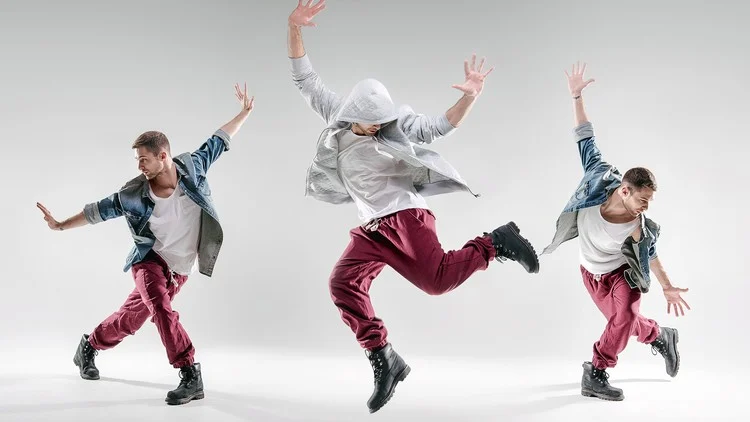

Dancing is one of the most natural and universal expressions of joy. Across cultures, ages, and environments, people dance to celebrate, connect, and release emotion. It requires no words, no rules, and no perfection—just movement and feeling. This simplicity is what makes dancing such a powerful and deeply enjoyable experience.
Dancing Connects the Body and Mind
Dancing creates a rare harmony between physical movement and mental freedom. When the body moves to rhythm, the mind often follows into a state of presence.
This connection leads to:
- Reduced mental stress
- Increased focus on the moment
- A sense of emotional balance
Unlike passive forms of entertainment, dancing actively engages both body and mind at once.
The Emotional Power of Movement
Movement is a natural emotional outlet. Dancing allows feelings to surface and release without explanation.
How Dancing Supports Emotional Well-Being
- Releases built-up tension
- Channels excitement, joy, or even frustration
- Creates emotional clarity through expression
Many people feel lighter after dancing because emotions are processed physically, not intellectually.
Music and Rhythm Amplify Enjoyment
Music gives dancing its spark. Rhythm guides movement, while melody shapes emotional response.
Why music-driven movement feels so good:
- Rhythm creates flow and consistency
- Familiar songs trigger positive memories
- Beats encourage natural physical response
The combination of sound and motion creates a feedback loop of enjoyment.
Dancing as a Social Experience
While dancing can be personal, it often becomes more powerful when shared. Group dancing builds connection without conversation.
Social benefits include:
- Breaking social barriers
- Creating shared moments of joy
- Strengthening bonds through shared rhythm
Whether at a party, wedding, or festival, dancing together builds instant unity.
Freedom from Judgment and Expectation
One of dancing’s greatest pleasures is freedom. On the dance floor, rules fade and self-consciousness softens.
People dance not to impress, but to feel:
- Free from daily roles
- Comfortable in their own body
- Confident without comparison
This sense of acceptance fuels genuine enjoyment.
Physical Energy That Feels Effortless
Unlike structured workouts, dancing doesn’t feel like exercise—even though it is.
Physical benefits include:
- Increased energy and stamina
- Improved coordination
- Natural release of restlessness
Because dancing is fun, people move longer and more freely without focusing on effort.
Dancing Creates Lasting Memories
Moments tied to movement and emotion stay vivid. Dancing often becomes the highlight people remember most.
These memories last because they combine:
- Emotion
- Music
- Shared experience
A single song or movement can instantly bring those feelings back.
Why Dancing Feels Timeless
Dancing exists beyond trends. From ancient rituals to modern dance floors, it remains unchanged in purpose—to celebrate life.
Its timeless appeal lies in its ability to:
- Adapt to any culture or setting
- Reflect individual personality
- Create joy without barriers
Dancing doesn’t require skill—only willingness.
FAQs About Dancing and Enjoyment
1. Why does dancing make people feel happier?
Movement combined with music stimulates emotional and physical pleasure responses.
2. Do you need rhythm to enjoy dancing?
No. Enjoyment comes from expression, not technical skill.
3. Is dancing better alone or with others?
Both offer benefits—solo dancing encourages self-expression, while group dancing builds connection.
4. Can dancing help reduce stress?
Yes. Physical movement and music together help release tension and calm the mind.
5. Why do people dance differently to the same song?
Personal emotion, memory, and personality shape how each person responds to music.
6. Does age affect the enjoyment of dancing?
No. People of all ages experience joy through movement.
7. Why does dancing feel freeing?
It removes expectations and allows people to be fully present in the moment.

Comments are closed.